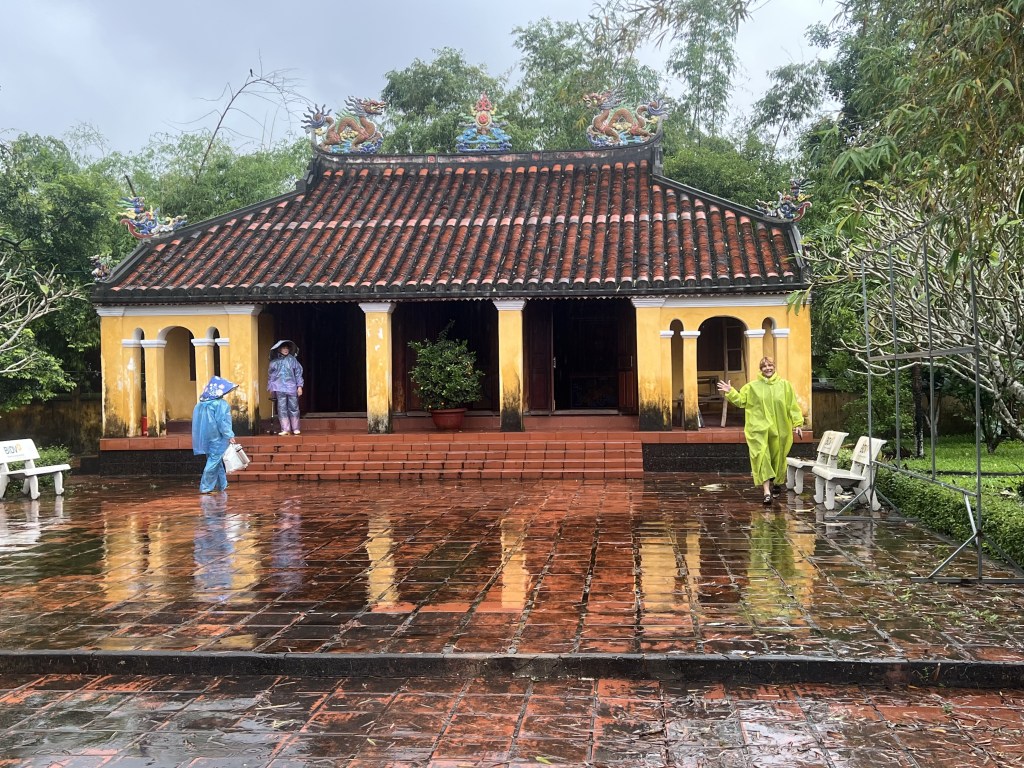
Why I love rainy season, what the 2025 floods taught me, and why supporting Hoi An doesn’t mean pretending everything is sunshine and lanterns.
Recently, a call went out from a group of hotel managers in Da Nang and Hoi An asking the community to share positive content about visiting Central Vietnam during October and November. The reason? Business is unusually slow, hotel occupancy is lower than expected, and online conversations warning people to avoid the rainy season aren’t helping.
The message encouraged travelers to share their own stories, photos, and reasons why Da Nang and Central Vietnam are still worth visiting. And honestly, I understand the sentiment. When your livelihood depends on tourism, seeing people cancel their plans because they’re afraid of the weather can be frightening.
But the request also sparked controversy. Some people felt that encouraging positive messaging could whitewash the realities of rainy season, particularly after the devastating floods of 2025.
So I started thinking about my own experience.
This is now my third rainy season in Hoi An, and I look forward to it just as much today as I did the first time around. I love the cooler temperatures, the quieter streets, and the opportunity to experience this beautiful place without thousands of tourists filling every corner.
And yet, I would never tell someone that rainy season is all sunshine and rainbows. Because it isn’t.
Sometimes it’s sunshine, sometimes it’s rainbows, and sometimes it’s a river running down your street where you really wish there wasn’t a river running down your street.
Both things can be true.
Should you visit Hoi An during rainy season?
Let me make this easy for you.
If you have two weeks of vacation and you’re asking whether you should visit Hoi An during rainy season, my answer is emphatically no.
Absolutely not. One hundred percent no.
Come when the weather is more likely to cooperate. Give yourself the best chance to enjoy your limited time, explore the Old Town, visit the beaches, take day trips, and experience everything this region has to offer without worrying that your plans might be washed away.
But if you’re already living in Hoi An, have been here for months, and are wondering whether you should extend your stay through rainy season?
My answer is a resounding YES.
Why the difference?
Because when you’re here for months, you have the luxury of time. You don’t have to cram every experience into a handful of vacation days. If it rains today, you can go tomorrow. If it rains tomorrow, you can find a café, order a coffee, and watch the world go by.
You can slow down. You can explore when the weather allows. You can experience a different side of Vietnam that many visitors never get to see.
And, if you’re anything like me, you might actually enjoy the break from the scorching heat.
After months of feeling like you’re being slow-roasted every time you step outside, cooler temperatures are a welcome relief. Walking around becomes more comfortable. Exploring feels less exhausting. And the streets are quieter.
I love low season. I genuinely don’t need more tourists in Hoi An to enjoy living here.
But I also recognize that Hoi An runs on tourism. Hotel employees, restaurant owners, tour guides, drivers, shopkeepers, market vendors, and countless other people depend on visitors to support their families.
When tourism slows down, the consequences extend far beyond an empty hotel room.
That’s the complicated part of loving a place that other people come to visit. What feels peaceful and wonderful to me can be financially frightening for someone whose livelihood depends on those visitors.
And that’s worth remembering as we talk about rainy season.
The floods of 2025 were no joke
Before I tell you why I love rainy season, let’s talk about the part that nobody should gloss over.
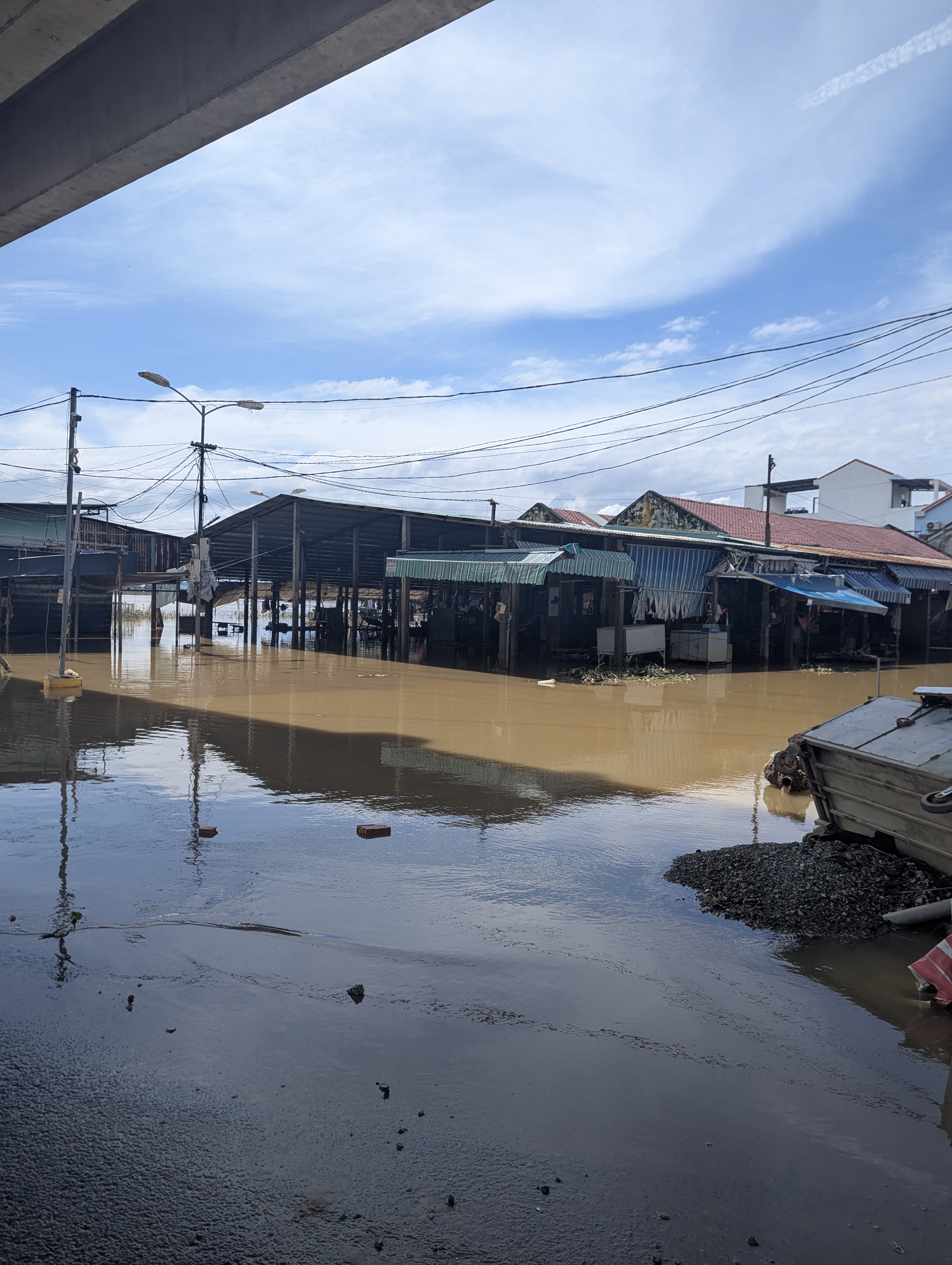
Last year’s floods were devastating.
In late October 2025, Central Vietnam experienced extraordinary rainfall and flooding. Water levels on the Thu Bon River exceeded the historic flood level recorded in 1964 at key monitoring points, and much of Hoi An’s Ancient Town was submerged. In some areas, floodwaters reached one to two meters deep.
[Sources: You can view the original October 29 dispatch detailing the early casualties and infrastructure damage directly on Reuters: Floods Kill at Least 9, Leave 5 Missing in Central Vietnam.]
If you watched the videos circulating online, you saw tourists being evacuated from hotels, boats navigating streets that normally carry motorbikes, and people carrying their suitcases above their heads while wading through floodwaters.
Nothing says I planned a relaxing holiday in Vietnam quite like carrying your entire vacation wardrobe over your head while someone ferries you through what used to be a street.
Except, of course, it wasn’t funny for the people experiencing it. For travelers, it meant disrupted holidays, unexpected expenses, and frightening situations. For local residents, it meant flooded homes, damaged businesses, lost income, and the exhausting work of putting their lives back together.
And this wasn’t just the ordinary seasonal flooding that people familiar with Hoi An know can happen.
The 2025 flood levels exceeded historical records from 1964 at some monitoring stations. That gives us a sense of just how extraordinary the event was. [Source: ASEAN Coordinating Centre for Humanitarian Assistance, October 30, 2025.]
I’ve seen people whose travel plans were completely disrupted. I’ve seen the photographs and videos. And I experienced flooding myself. I live in an area that isn’t normally considered a flood zone. Yet during the 2025 floods, I had ankle-to-knee-deep water around my home for approximately three days.
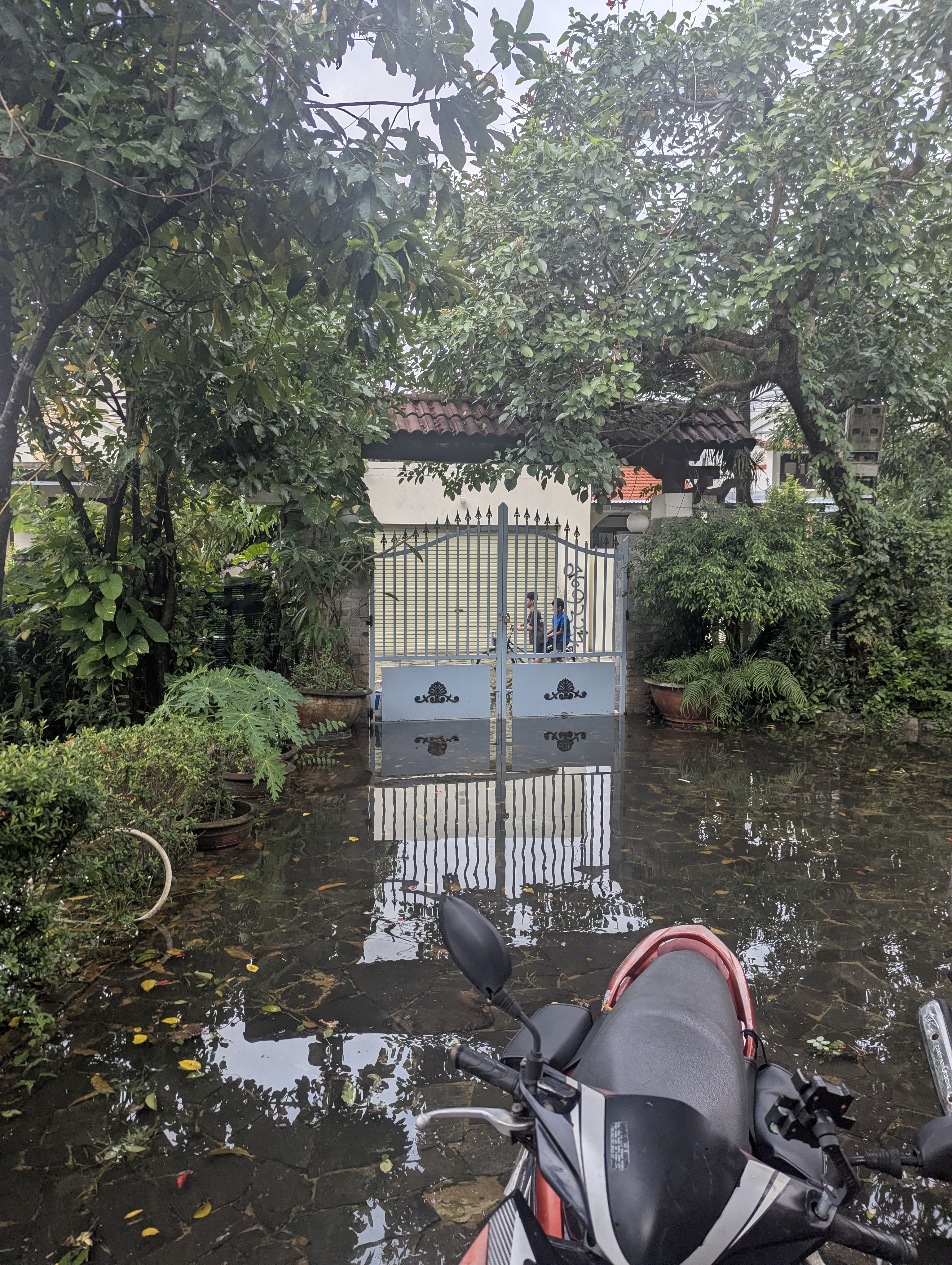
Three days.
And during those three days, I sat in my house, watched the water rise and recede, and witnessed something I will never forget, because the most meaningful part of that experience wasn’t the water… It was my neighbors.
The kindness I will never forget
I’d lived in my neighborhood for a little over a year when the floods arrived.
My neighbors across the road had always been friendly. We’d helped each other out, borrowed tools, shared little gifts, and gradually built a lovely friendship. We’d taken them cookies, candy, and toys for the children. They’d invited us to family dinners and helped us put up Tet decorations.
It was the kind of relationship that develops naturally when you live somewhere long enough to become part of the neighborhood.
But the floods of 2025 showed me something deeper than friendliness.
They showed me genuine care and concern.
As the floodwaters began creeping into our neighborhood, my neighbors came over to help me move my scooter to higher ground so it wouldn’t be damaged.
Then came the questions. Did I have candles? A flashlight? Food? Water? Was I prepared in case the electricity went out? Did I have everything I needed if I couldn’t leave my house for a while?
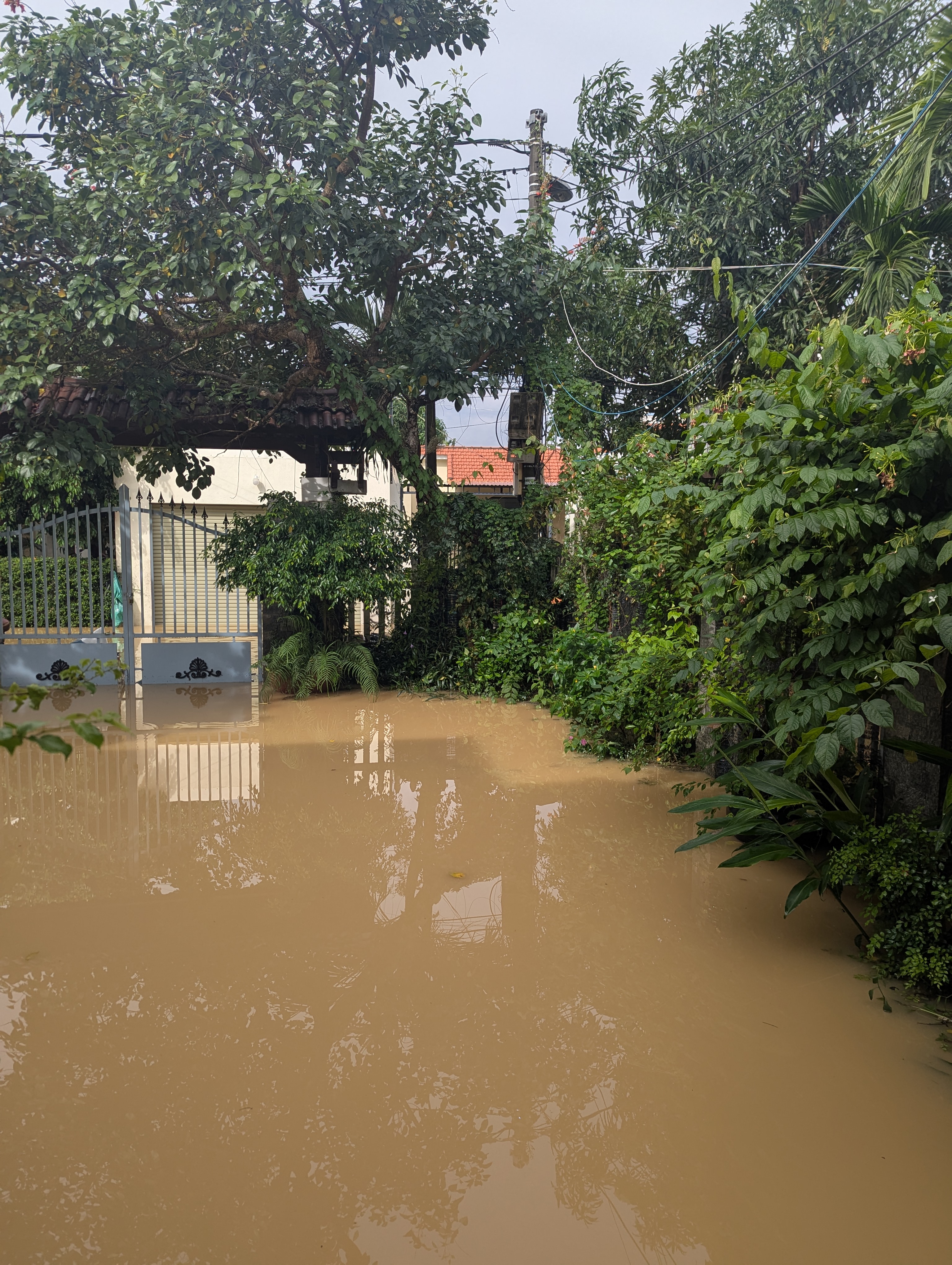
[This is my driveway near the peak of the flooding.]
Thankfully, I was prepared.
I’ve been snowed in in northern Indiana more times than I can count. I know what it’s like to be stuck at home, unable to get anywhere, and potentially without electricity. I’ve lived through enough Midwestern winters to know that when the weather decides you’re staying home, you’re staying home. Mother Nature doesn’t care about your errands.
So I’d been watching the forecasts, preparing for the possibility of flooding, and making sure I had what I needed. But my neighbors didn’t know that. And even after I assured them I was fine, they brought me food and water anyway. They also offered me the use of the second floor of a family home across the street if we needed to evacuate our single-story house.
Think about that for a moment…
They were preparing for the possibility of serious flooding in their own homes. Their own properties, businesses, and livelihoods were at risk. They had families to look after and their own preparations to make.
And yet they took time out of all that to check on me.
Someone they hadn’t known for very long. Someone they couldn’t easily communicate with because of the language barrier. Someone who, in the grand scheme of their lives, was still relatively new to their community.
They didn’t have to do any of that. They didn’t have to help me move my scooter. They didn’t have to bring food and water when I’d already told them I was prepared. They certainly didn’t have to offer me a place to stay if I needed to evacuate.
But they did. Because I was their neighbor. Because I was part of their community. And because, to them, that was enough.
I have experienced a lot of beautiful things throughout my life, but watching my neighbors show that kind of care during a frightening and uncertain time is something I will carry with me forever. Had I fled Hoi An as soon as the flooding began, I would have missed that experience entirely. And I would have missed something extraordinary.
What happened after the water receded
The other thing that stayed with me was what happened once the floodwaters began to retreat.
People got to work.
Throughout Hoi An, residents and business owners began cleaning their homes, clearing mud from their patios, washing down the streets, and helping one another recover. Reuters reported on November 1, 2025, that residents and business owners were already working to restore damaged properties and get businesses operating again. [Source: Reuters, November 1, 2025.]
I wasn’t in the Ancient Town during the worst of the flooding. I returned after the water had receded but before the full cleanup had taken place. The damage was hard to comprehend. And yet, everywhere, people were working to put things back together.
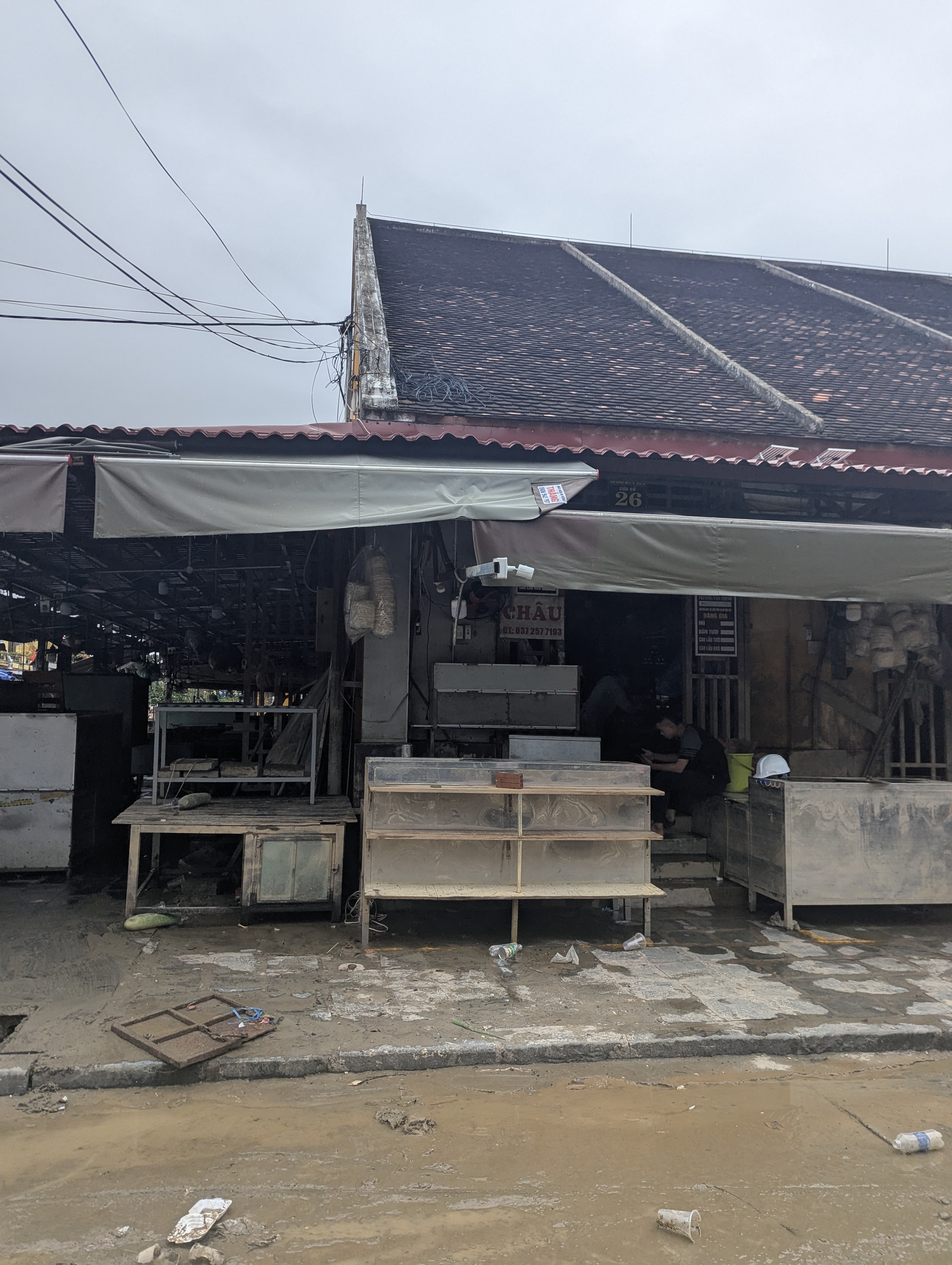
There was mud to remove, furniture to salvage, businesses to clean, and homes to repair. People had lost things they couldn’t replace. Some had lost income they desperately needed. Many were dealing with the same mess in their own homes while helping someone else clean up theirs.
[The floodwaters had reached the roofline, before receeding]
I watched this same spirit of cooperation in my own neighborhood.
There was no waiting around for someone else to fix everything. People helped one another, got on with the work, and began rebuilding their routines.
I’m careful not to romanticize this. Resilience doesn’t mean the damage wasn’t devastating. Community spirit doesn’t pay for a ruined business or replace everything a family has lost. But witnessing the way people came together made a lasting impression on me. The floods showed me the vulnerability of this place, but they also showed me the strength of the people who call it home.
And that is part of my experience of living in Hoi An that no travel brochure could ever fully capture.
Rainy season isn’t always raining
Now, let’s return to the part of rainy season I actually look forward to.
I’m currently experiencing my third rainy season here, and so far, this year has felt much calmer than last year. We’ve had plenty of sunny skies and fewer rainy days than I might have expected.
Of course, every season is different. Typhoons, heavy rainfall, and flooding remain real possibilities, and a calmer stretch of weather doesn’t guarantee that the rest of the season will stay that way.
But here’s something I wish more people understood.
Rainy season doesn’t mean it rains every minute of every day.
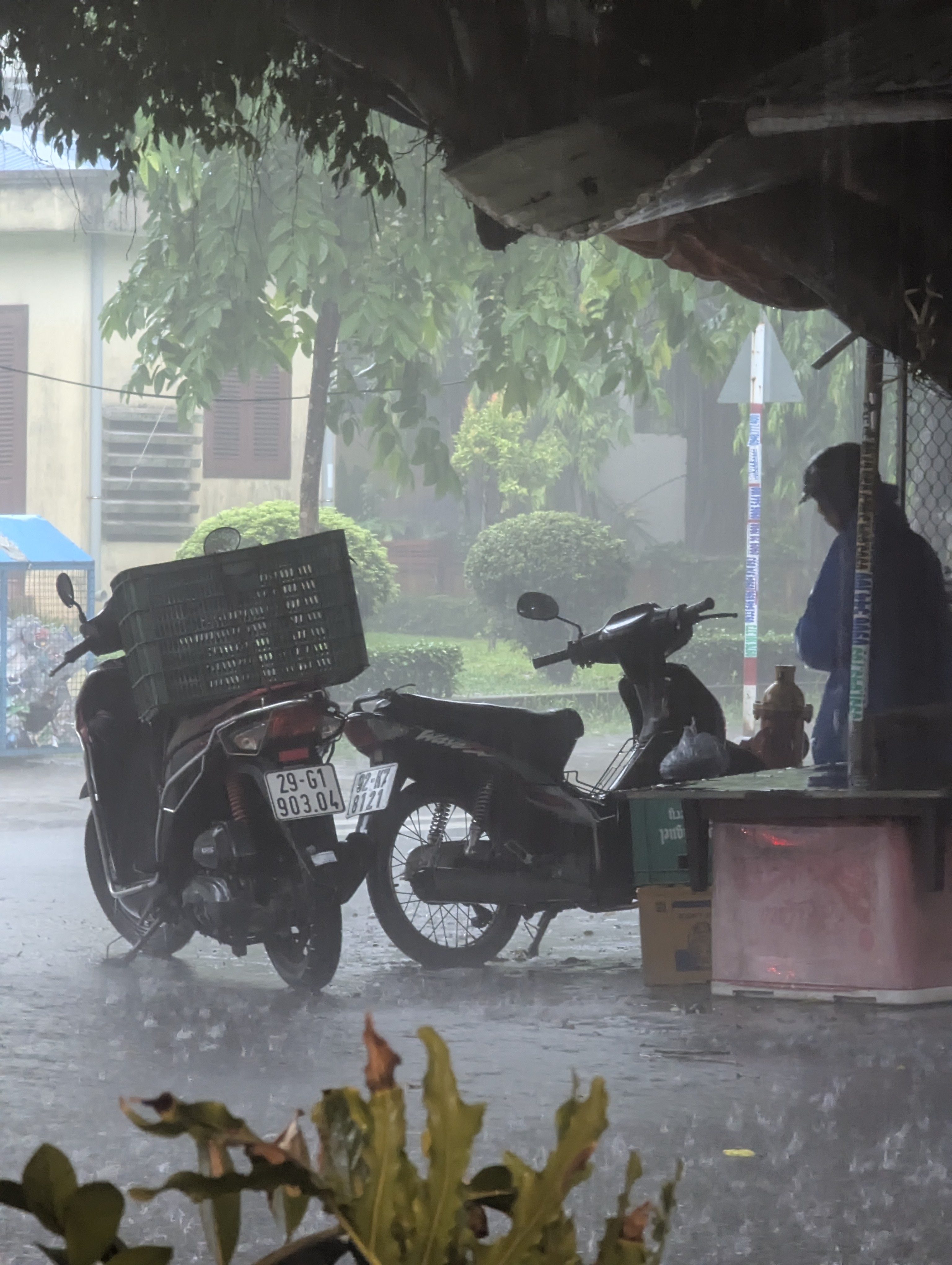
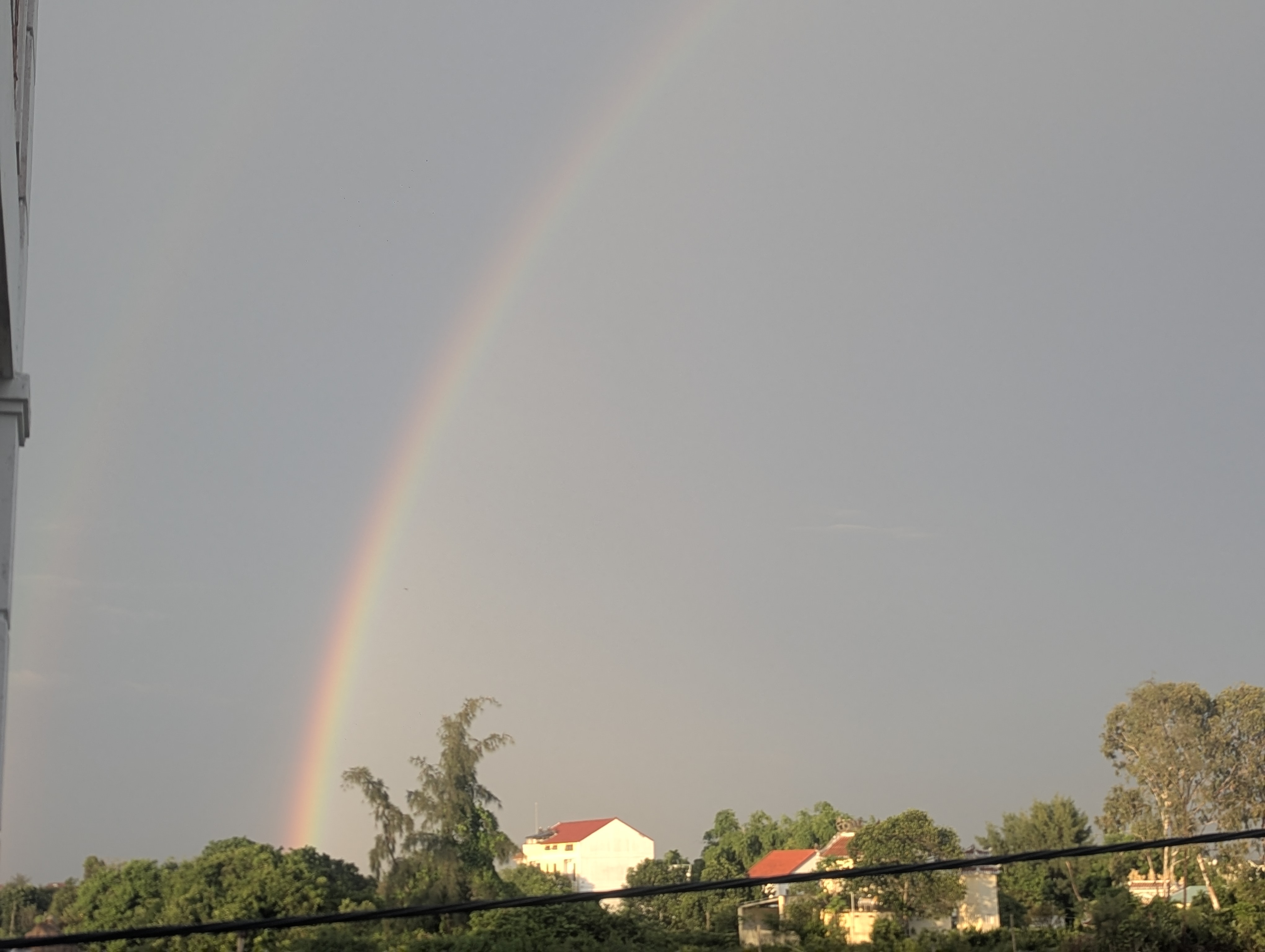
You might have a few days of heavy rain, followed by beautiful sunshine. You might wake up to gray skies and assume the day is a wash, only to have the clouds clear by lunchtime. Sometimes the rain lasts ten minutes. Sometimes it lasts an hour. Sometimes you settle into a café thinking you’ll wait out a quick shower, order another coffee, and realize you’ve been there for two hours.
And sometimes, just when the dreariness starts to get to you, the sun peeks through the clouds or a rainbow appears. Those moments feel especially wonderful when you’ve been waiting for them.
I also love the little glimpses of everyday Vietnamese life that happen when the weather changes. After one particularly heavy rain, I watched Vietnamese men pulling what appeared to be little bait fish out of the water running along the side of the road. There I was, looking at a flooded roadside channel, and these guys had apparently found themselves a fishing spot. You can’t plan experiences like that. You just have to be there to see them.
And that, for me, is one of the joys of living here rather than simply passing through.
My dad was right about the rain. Mostly.
My approach to rainy season is pretty simple.
Carry a raincoat. Be prepared to stop what you’re doing and duck inside somewhere. Don’t panic because a few drops have appeared in the sky. And don’t be afraid of getting a little wet.
My dad used to tell me, “The rain won’t kill ya.”
To which I’d always respond, “But Daddy, I’m Candy. I’ll melt!”
We always got a good laugh out of that.
And honestly, I still think about it when I’m out and about and the rain starts coming down.
There’s something liberating about accepting that you might get wet. You don’t have to abandon your entire day because of a shower. You can step into a café, have a coffee, wait for the rain to ease, and carry on.
Of course, there’s a difference between an ordinary downpour and a serious weather event. If there are storm warnings, rising floodwaters, dangerous road conditions, or official advice to stay put, take those seriously. A raincoat is not a flood-management strategy.
But on an ordinary rainy day? Go with it. You might discover that waiting for the rain to stop becomes one of your favorite parts of the day.
Why I loved visiting My Son Sanctuary in the rain
One of my favorite examples of how rainy season can actually improve an experience is My Son Sanctuary. I’ve visited several times. The first visit was so long ago that I can barely remember it. Then, two years ago, I visited during the dry season. It was around 34–38°C, and I was miserable. I spent much of the visit trying to escape the heat, sweating buckets, and wondering how much more comfortable the experience would have been if the temperature had been a little less aggressive.
I returned to visit My Son Sanctuary in October 2025, during rainy season, shortly before the major floods. And what a difference.
We had some rain. Then it stopped. Then we had a little more rain, and it stopped again. We got wet, dried off, and carried on exploring.
But in between those showers, it was beautiful. The air felt clean, crisp, and cool.
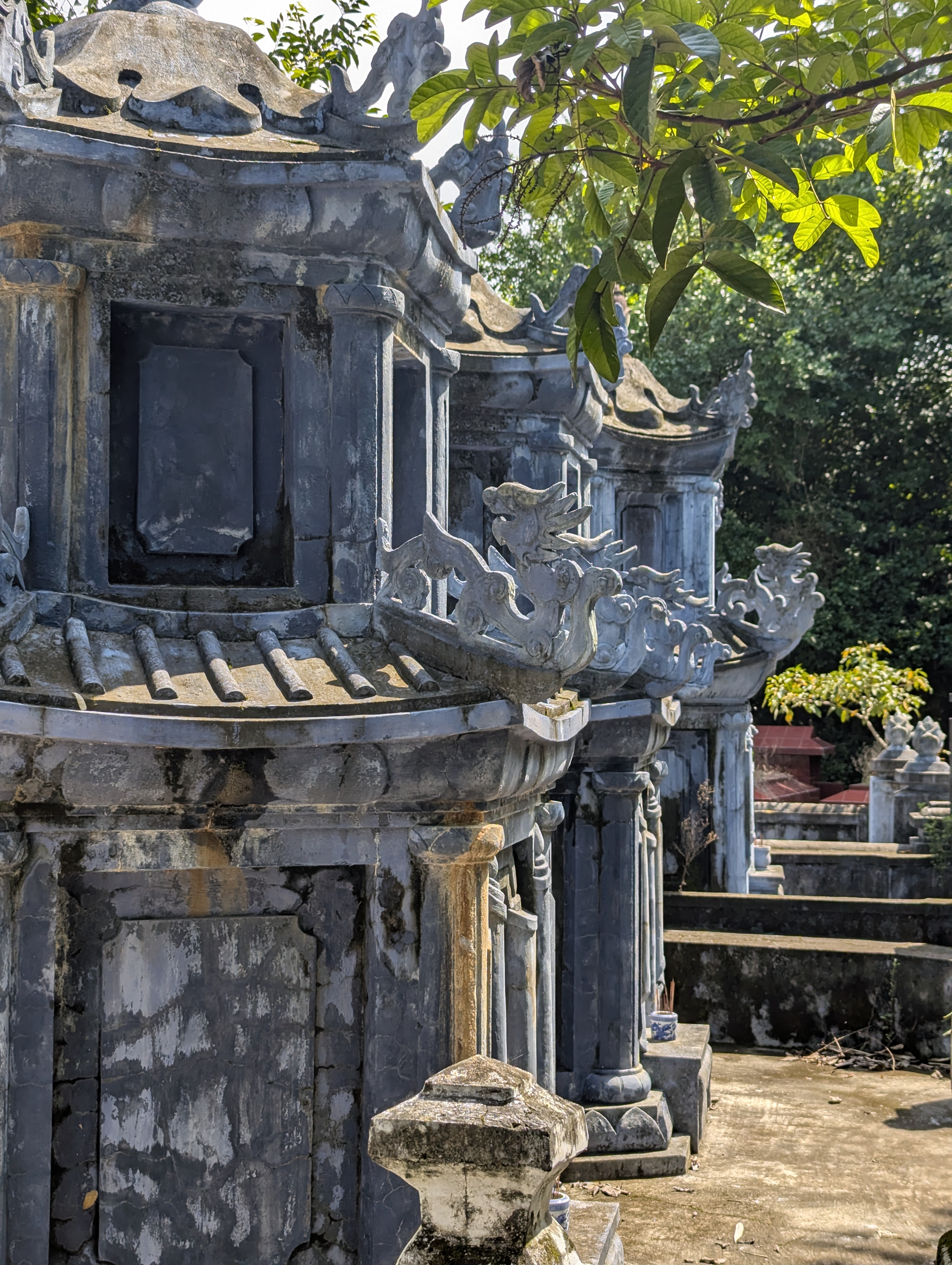
I could actually enjoy walking around the ruins without feeling as though I was slowly melting into the ancient stones. And the rain gave everything a different kind of beauty. The wet stone, the greenery, the shimmer of water on the surfaces, and the softer light made the whole place feel almost magical. Instead of spending my time searching for relief from the heat, I could focus on where I was and what I was seeing.
That experience reminded me that sometimes the weather we assume will ruin a trip can actually make it better. Not always. Not in every circumstance. And certainly not when conditions are unsafe. But sometimes, a little rain is exactly what a place needs.
Whether it’s hot or raining, Vietnam’s cafés are your refuge
Here’s another thing I’ve learned about living in Vietnam. The weather might change, but the cafés are always there. During the dry season, you’re ducking from one coffee shop to another to escape the heat and find some air conditioning. During rainy season, you’re ducking into those same cafés to escape the rain.
Either way, you have an excellent excuse to sit down, order a cà phê đen, and watch the world go by. And that can be a wonderful experience.
I love sitting in a Vietnamese café on a rainy day, surrounded by local people going about their daily lives.
There’s no need to rush. No need to cram another attraction into the afternoon. No need to turn every moment into a sightseeing opportunity.
Sometimes you simply sit, sip your coffee, and observe.
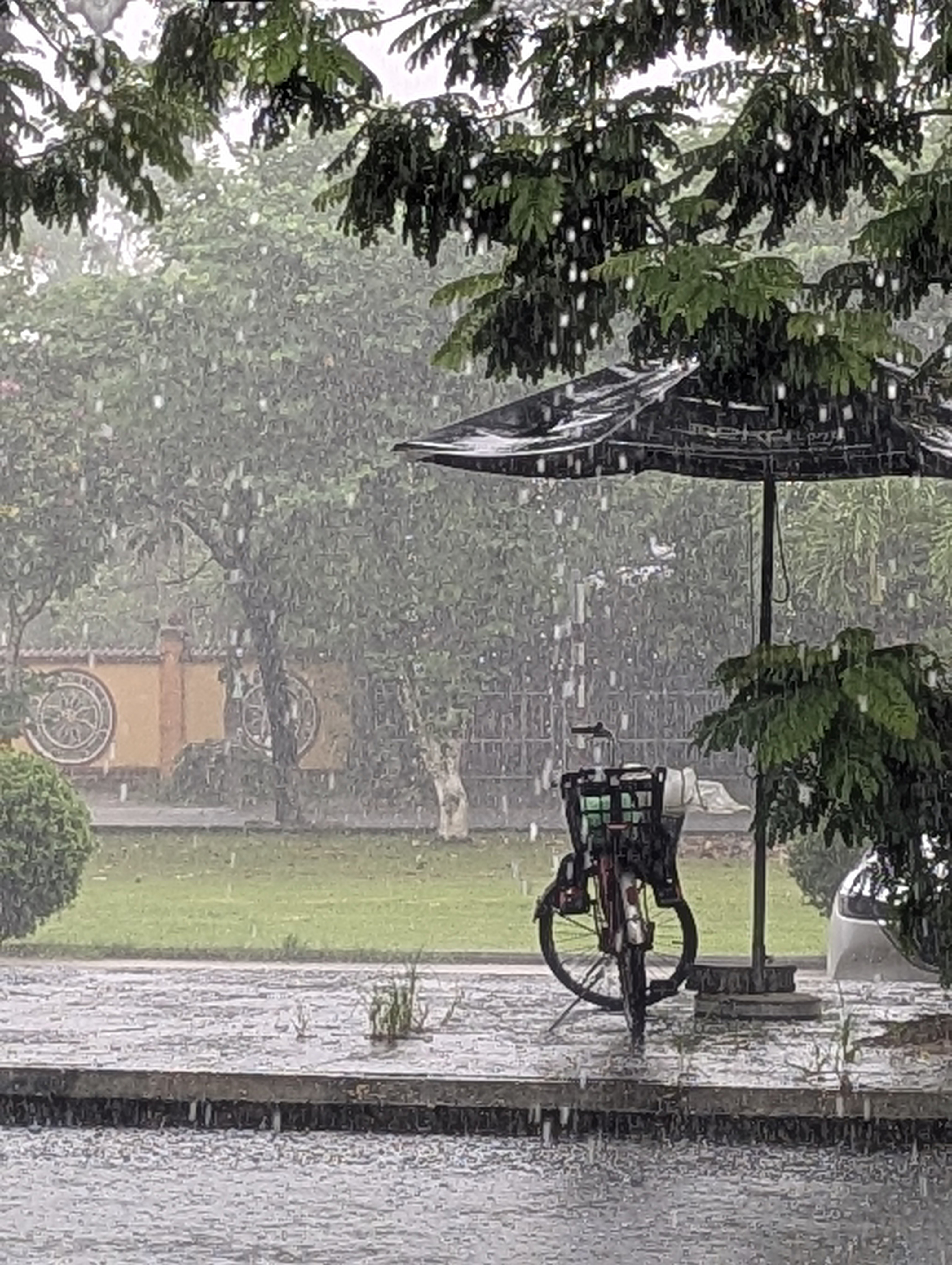
You watch people navigating the rain, running errands, chatting with friends, and carrying on with their day. You hear the sounds of the neighborhood around you. You notice little things you might have missed if you were rushing from one attraction to the next.
These ordinary moments have become some of my favorite parts of living here. And the Vietnamese people I’ve encountered have been welcoming in both seasons. The weather might influence where we sit, what we do, and how long it takes us to get somewhere. But it doesn’t have to prevent us from enjoying the day.
So, should you be afraid to visit Hoi An during rainy season?
I think this is the question many people are really asking after seeing the videos of the 2025 floods. And I don’t blame them for asking. The flooding was serious. It caused real damage, disrupted travel, and affected the lives and livelihoods of people throughout the region. It would be irresponsible to suggest that those concerns are unfounded.
Hoi An does flood, particularly in low-lying areas during periods of heavy rain. October and November are traditionally wet months in Central Vietnam, and visitors should understand that outdoor activities, transportation, and travel plans can be affected.
If you’re planning a short trip, check the seasonal weather, keep your itinerary flexible, book accommodation with reasonable cancellation terms, and pay attention to local warnings. If severe weather is forecast, follow official guidance and your accommodation’s advice. And if you have only two weeks to experience Vietnam, I’d still recommend choosing a time of year when you’re more likely to enjoy the weather you want.
But if you’re considering an extended stay, don’t automatically rule out rainy season. There are quieter streets, cooler temperatures, opportunities to explore without the crowds, and the freedom to adapt your plans to the weather. You might find yourself enjoying a rainy afternoon in a café more than another afternoon rushing around in the heat. You might discover that the ruins of My Son are even more beautiful in the rain. You might witness an ordinary moment that becomes a favorite memory. And you might discover something about the community around you that you wouldn’t have seen otherwise.
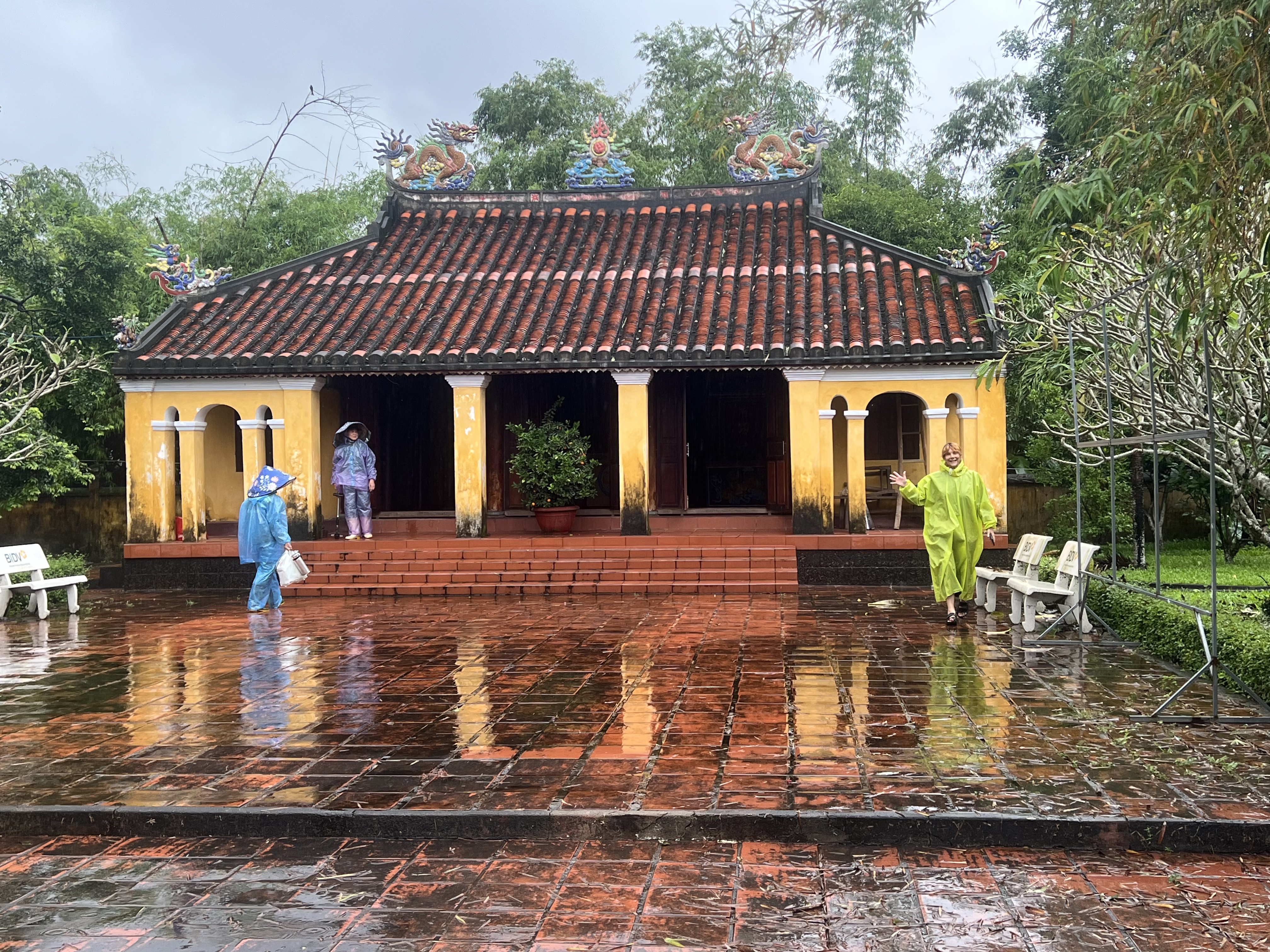
I can’t promise you sunshine. I can’t promise that your plans won’t change. And I certainly can’t promise that you’ll love rainy season as much as I do. But I can tell you that my experience of living here has been richer because I’ve stayed through it.
Supporting Hoi An doesn’t mean pretending everything is perfect
This brings me back to that original call for positive content.
I understand why the hospitality industry wants people to keep visiting. Tourism supports a huge part of the local economy, and a difficult season can have a real impact on families and businesses. I also understand why people are uncomfortable with calls to promote a destination without acknowledging the problems visitors might encounter. But I don’t think those positions have to be mutually exclusive.
You can share a positive experience without pretending the weather is perfect. You can recommend a café, restaurant, hotel, or tour you’ve genuinely enjoyed. You can encourage people to support local businesses without making promises about the weather. And you can be honest about the floods while still telling people why you love living here.
That’s why I decided to write this article. Not to convince everyone to visit Hoi An during rainy season. Not to suggest that people should ignore their concerns. And not to pretend that a difficult season is easy for the people who live and work here. I wanted to share my own experience. I wanted people to understand why someone who has lived through three rainy seasons, including the devastating floods of 2025, can still look forward to this time of year.
And I wanted to share the story of my neighbors, because it changed how I see this place. The floods were frightening and destructive. But in the middle of all that uncertainty, I experienced a generosity and sense of community that I will never forget. That doesn’t make the floods worthwhile. It doesn’t erase what people lost. But it is part of the story, and I think it’s a story worth telling.
If you live here, visit here, or have a business that depends on tourism, share your experiences honestly. Support the businesses you love. Tell people what makes this place special to you. And be willing to talk about the difficult parts, too. You don’t need to manufacture a perfect picture of Hoi An to give people a reason to love it. Sometimes, the truth is more compelling than the picture-perfect version.
Hoi An can be difficult, imperfect, and downright soggy… and still be worth loving
I don’t need thousands of tourists in Hoi An to enjoy my life here. In fact, I rather enjoy the quieter streets of low season.
But I know that the quiet I appreciate can mean lost income for someone else. I know that the rain I enjoy can become a serious problem for someone whose home floods or whose business is damaged. And I know that a season that feels refreshing to me can be frustrating, disappointing, or even frightening for someone else.
That’s the reality of living somewhere with a rainy season.
You don’t have to love the rain to love Hoi An.
You don’t have to pretend rainy season isn’t difficult, because it is.
But I think there’s something to be gained by looking beyond the inconvenience and seeing the opportunities that come with it. Opportunities to experience a quieter town, to see the landscape differently, to slow down, and to witness the kindness and community spirit of the Vietnamese people who call this place home.
For me, those experiences are worth a little inconvenience.
I’ll keep my raincoat handy. I’ll duck into cafés when the skies open. I’ll enjoy the cooler days, the occasional rainbow, and the moments when the sun breaks through the clouds.
And I’ll keep looking forward to rainy season.
Because Hoi An has taught me that a place doesn’t have to be perfect to be wonderful.
Sometimes, the places that leave the deepest impression on us are the ones that show us a little more of life than we expected.
And sometimes, they are a little wet along the way.

